Row edge-slant Shape Decorative svg added to top

Fall Heating Checklist for Hudson Valley Homeowners
Row edge-slant Shape Decorative svg added to bottom
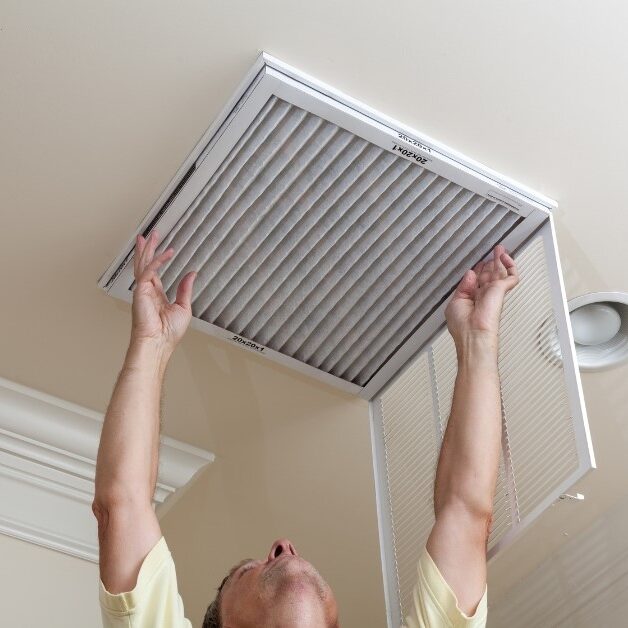
Fall home Checklist-Blog-image - air filter change

Before the first cold snap hits the Hudson Valley, it is worth making sure your heating system is ready for the season. A short fall check can prevent no-heat calls in January, catch small issues while they are still small, and give you time to plan for repairs or replacement on your own schedule rather than in an emergency.

This checklist walks through the items every homeowner should consider before relying on their heat every day. If anything seems unsafe, unusual, or beyond a basic visual check, stop and call for professional service.

Nebrasky Plumbing, Heating & Cooling has served Hudson Valley homeowners since 1988 from our home base in Monroe, NY, and was the first plumbing/heating/cooling company in New York State certified as a Carbon Monoxide analyst by the Building Performance Institute. Fall heating service is one of the most valuable maintenance windows of the year, and we recommend booking before the first cold snap.
1

Schedule heating maintenance before the first cold snap.
The best time to service a heating system is before it has to run every day. Fall maintenance gives a technician time to inspect the system, clean key components, check for obvious wear, and address small issues before peak winter demand fills the schedule.

This is especially important for boilers, furnaces, heat pumps, and any system that worked hard last winter. Homeowners who put off fall service often end up paying emergency rates in January for problems that could have been fixed in October at standard rates.

2

Replace or check air filters.

If your home uses a forced-air furnace or heat pump, check the filter before the heating season starts. A clogged filter restricts airflow, reduces comfort, strains the system, and can cause shutdowns or uneven heating. Most filters need replacement every 1–3 months during heating season, but the exact interval depends on the filter type, pet ownership, and household conditions.

If you are not sure what filter size or replacement schedule is right for your system, ask during your fall maintenance appointment. Nebrasky technicians can also recommend higher-efficiency filters and air quality solutions if indoor air is a concern.

3

Test the thermostat.

Turn the thermostat to Heat and set the temperature a few degrees above the current room temperature. Confirm the system starts, warm air or heat begins to circulate, and the thermostat responds as expected.

If the thermostat screen is blank, delayed, inaccurate, or not communicating with the system, it may need new batteries, a calibration check, or replacement. Thermostat service can be included as part of a broader heating system check, and upgrading to a programmable or smart thermostat is often eligible for utility rebates.

4

Listen for unusual noises.

A heating system that bangs, rattles, grinds, squeals, rumbles, or short-cycles (turns on and off repeatedly) should be inspected. These sounds often point to loose parts, ignition issues, airflow restrictions, circulator problems, or other mechanical wear.

Do not ignore a new noise just because the system still turns on. Fall is the safer and cheaper time to diagnose it — a January breakdown costs more, takes longer to schedule, and leaves the home without heat in the meantime.

5

Pay attention to unusual odors.

A light dusty smell the first time the heat turns on can be normal if the system has been sitting all summer. Strong, persistent, electrical, burning, oil, or gas odors are not normal and should be treated seriously.

If you smell gas, suspect carbon monoxide, see smoke, or hear a hissing sound near a gas line, leave the home immediately and call 911 or your utility from a safe location outside the home before calling for service.

6

Check vents, radiators, and baseboards.
Walk through the home and make sure furniture, rugs, boxes, curtains, and other household items are not blocking vents, radiators, or baseboard heaters. Blocked heat flow makes rooms feel colder, causes uneven heating, and forces the system to work harder than necessary — which raises bills and accelerates wear.

If some rooms are still much colder than others after clearing obstructions, the issue may involve airflow, balancing, radiator performance, ductwork, or system sizing. Any of these are worth diagnosing in fall, not mid-winter.

7

Look for visible leaks, rust, or corrosion.
For boiler systems, radiators, piping, and water-connected equipment, look for moisture, rust, corrosion, or water pooling near the equipment. These can be signs of pressure issues, failing components, or active leaks that should be checked before winter.

Do not open equipment panels or attempt repairs yourself — a quick visual check is enough. If something looks wrong, schedule heating service before the system has to run continuously.

8

Check carbon monoxide alarms.

Fall is a natural time to test carbon monoxide alarms and replace batteries. CO alarms are especially important in homes with fuel-burning equipment: gas or oil furnaces, boilers, water heaters, fireplaces, wood stoves, or attached garages.

Carbon monoxide is colorless, odorless, and tasteless, so a working alarm is the only reliable way to detect it. Test alarms monthly, replace batteries at least annually, and replace the alarm itself every 5–7 years or per the manufacturer’s instructions. If an alarm sounds, leave the home immediately and call 911 from outside.

Nebrasky has been certified in carbon monoxide analysis since 1997. If you have any concern about your system’s combustion safety, a fall maintenance visit can include a combustion safety check.

9

Review system age and last winter’s performance.
Take a few minutes to think about how your heating system performed last winter. If it struggled during cold snaps, needed repeated repairs, made unusual noises, heated unevenly, or pushed your energy bills higher than expected, fall is the time to talk through next steps — not after a January failure.

Most heating systems last 15–20 years depending on type, fuel, maintenance, and usage. If your system is approaching or past that range, the right move is often a planned replacement on your schedule, not an emergency replacement during a cold snap. Nebrasky’s approach: repair when practical, replace when replacement is the better long-term choice.

10

Ask about rebates, financing, and maintenance plans.

If replacement may be on the horizon, the timing of the conversation matters. Several programs reward homeowners who plan ahead:

  • Instant rebates are available on qualifying equipment at the time of purchase, with no separate application required.
  • NYS Clean Heat rebates can substantially reduce the cost of heat pump installations — your eligibility depends on which utility serves your area (Central Hudson, O&R, or NYSEG).
  • Interest-free financing through GreenSky is available for plumbing and HVAC projects, with a quick paperless application.
  • Federal tax credits may be available for qualifying high-efficiency equipment.

Fall is also the right time to ask whether the Home Care Club makes sense for your home. The membership includes annual heating, cooling, and/or plumbing maintenance, multi-point inspections, carbon monoxide leakage checks, preferred booking, and discounts on repairs and emergency service.

Plans currently start at $190.30 annually, with members saving up to 15% through prepayment and autorenewal.

Row edge-slant Shape Decorative svg added to bottom

When to Call Nebrasky

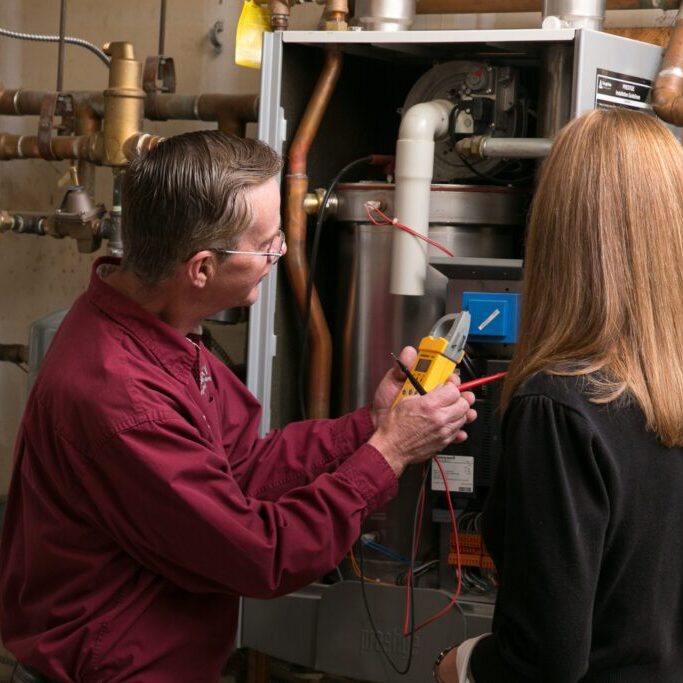
Call Nebrasky if you notice any of the following before or during heating season:

  • Your heat does not turn on during a thermostat test.
  • Your system turns on and off repeatedly (short cycling).
  • You hear banging, grinding, rattling, rumbling, or squealing.
  • You smell burning, electrical, oil, or persistent unusual odors.
  • You see water near a boiler, pipe, radiator, or heating equipment.
  • Rooms heat unevenly or do not reach the set temperature.
  • Your system needed repeated repairs last winter.
  • Your heating bills increased without a clear reason.
  • Your system is older and you are unsure whether to repair or replace it.
6S4A1266-scaled

For gas odors, carbon monoxide alarms, smoke, sparks, or any immediate safety concern, leave the home and call 911 or your utility first.
For more on emergency safety steps, see the Winter Emergency Heating Guide(opens in new tab). (COMING SOON!)

Repair or Replace Before Winter?

Not every heating issue means the system needs to be replaced. In many cases, a repair or maintenance visit can keep the system running safely and reliably for years.

Replacement may be the better choice when the system is older, inefficient, unsafe, repeatedly failing, or no longer keeping the home comfortable. Fall is the right time to have that conversation because homeowners have more scheduling flexibility, more time to compare options, and access to rebate and financing programs that may not be as readily available during peak winter demand.

If replacement is on the table, Nebrasky can walk through system options (gas, oil, heat pump, dual-fuel), current rebates and tax credits, financing terms through GreenSky, and what makes sense for the specific home. Upfront pricing is provided through the Nebrasky Price Promise — the estimate is the price.